Dental Implants Bakersfield CA for a Stronger, Healthier Smile

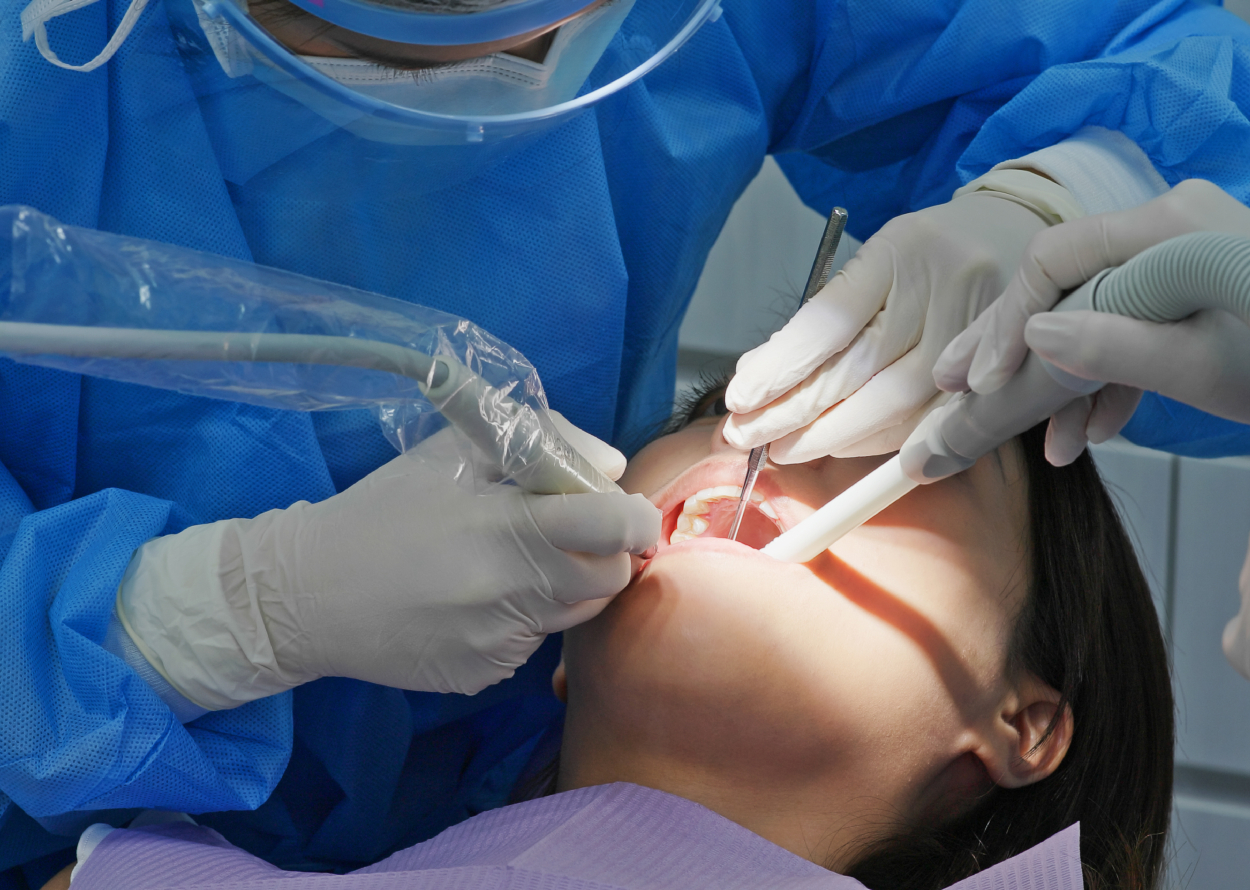
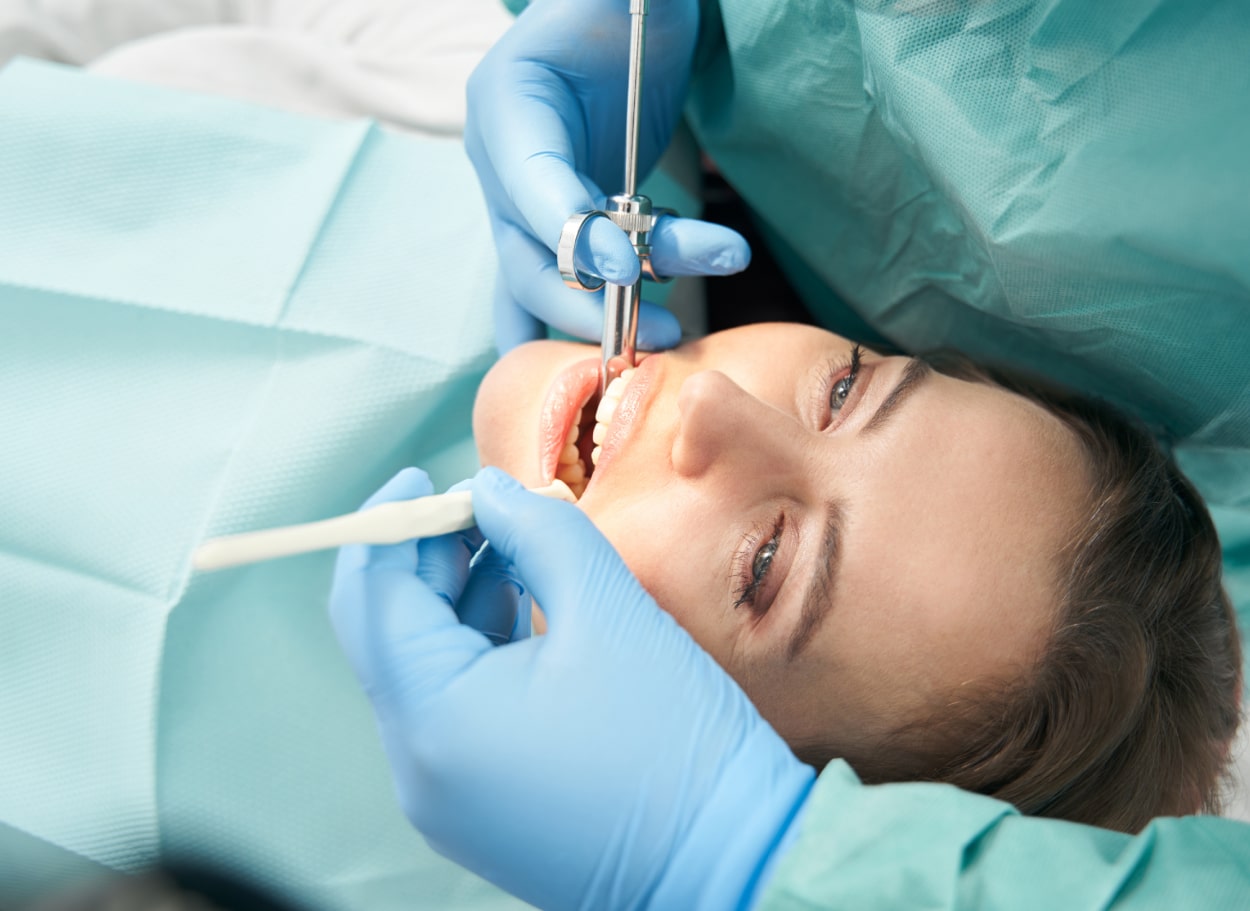
Losing a tooth changes more than a smile. It affects the way you chew, the way certain words sound, and often the way you carry yourself in a room. Some people adapt quickly, especially when the missing tooth sits toward the back. Others feel the loss every day, especially when it shows in photos or catches on the edge of the tongue. Over time, the problem becomes larger than appearance. The jawbone in that area can begin to shrink, neighboring teeth can drift, and simple meals can become less comfortable than they used to be.
That is why so many people start looking into Dental Implants Bakersfield CA when they want a replacement that feels stable, looks natural, and supports long-term oral health. Implants are not a cosmetic shortcut. When planned well and placed carefully, they become part of a broader strategy to restore function and preserve the structures that keep the mouth healthy.
People often come to this decision after living with a gap for longer than they expected. A tooth may have been lost to decay, a cracked root, gum disease, or an old injury from years back. Sometimes a failing bridge or a loose denture pushes someone to finally ask whether there is a more dependable option. In many cases, there is.
Why implants matter beyond appearance
It is easy to focus first on the visible result, and that is understandable. A missing front tooth can make even outgoing people guarded. They smile with closed lips, avoid certain angles in photos, or turn their head while talking. Yet the deeper value of a dental implant lies in what it does underneath the gumline.
An implant is designed to replace the root of a missing tooth. That matters because natural roots transmit chewing forces into the jawbone. When a root is lost, the bone no longer receives that stimulation and begins to resorb. The change can be slow, but it is real. Over the years, that loss of volume can affect facial support and complicate future restorative work. A bridge can replace the visible crown portion of a tooth, but it does not replace the root. A removable denture restores some appearance and some chewing ability, but it also does not protect bone in the same way an implant can.
There is also a practical side that patients appreciate quickly. A secure implant does not slide while eating. It does not rely on adhesives. It is brushed and flossed with routines that feel more familiar than the maintenance many removable appliances require. For the right candidate, that blend of comfort, confidence, and structural support is hard to match.
What a dental implant actually is
The word "implant" gets used loosely, so it helps to separate the parts. The implant itself is usually a small post, commonly made from titanium or a ceramic-like material in some cases, that is placed into the jawbone. After healing, that post supports a connector, often called an abutment, and then the visible restoration, such as a crown, bridge, or denture.
From the patient’s perspective, the final result is what matters most. They want the replacement tooth to feel solid, match the surrounding teeth, and let them chew without second-guessing every bite. But the long-term success of that visible crown depends heavily on what happens during planning. Bone volume, bite force, gum thickness, smoking history, uncontrolled diabetes, nighttime grinding, and overall home care all influence the outcome.
That is one reason implant dentistry rewards patience. Good work at the front end tends to produce better results later. Rushed treatment can look acceptable for a little while, then reveal problems when the bite feels off, the gumline recedes, or food traps become obvious.
Bakersfield patients often ask the same first questions
Most people do not begin by asking about implant diameter or surgical guides. They ask whether it will hurt, how long it takes, what https://www.google.com/search?sca_esv=cb596a67502e2f5f&rlz=1C1CHBD_enPH1076PH1076&sxsrf=ANbL-n5XOVf7poWZEwttpvY5SD27xrIqrA:1780385731623&kgmid=/g/1tdmvyhz&q=Smyle+Dental+Bakersfield&shem=epsdc,rimspwouoe&shndl=30&source=sh/x/loc/uni/m1/1&kgs=00021d60a9f9e91a&utm_source=epsdc,rimspwouoe,sh/x/loc/uni/m1/1 it costs, and whether they are too old or have waited too long. These are reasonable questions.
Pain is usually less severe than people fear. Patients often compare a straightforward implant placement to an extraction that was easier than expected, or even to a deep filling appointment with some soreness afterward. The experience varies with complexity. A single implant placed in healthy bone is different from a case involving grafting, multiple extractions, or significant sinus work. Still, the dread tends to be worse than the reality, especially when the procedure is done with careful anesthesia and clear postoperative instructions.
Timing depends on the clinical situation. In some cases, an implant can be placed soon after a tooth is removed, sometimes even the same day. In other cases, the site needs months of healing first, especially if there was infection, bone loss, or trauma. Once the implant is placed, the bone usually needs time to integrate with it before the final crown is attached. For some patients the process is measured in a few months. For more involved treatment, it can take longer.
Age by itself is rarely the deciding factor. A healthy person in their seventies can be an excellent candidate. A younger adult with poorly controlled gum disease or heavy tobacco use may face more challenges. The better question is not "Am I too old?" But "Is my mouth and overall health in the right condition for predictable healing?"
The evaluation stage is where good treatment begins
A solid implant plan starts with a thorough exam, updated imaging, and a candid conversation about goals. If someone wants one missing molar replaced, that plan may be straightforward. If another person is frustrated with several failing teeth and a loose lower denture, the conversation becomes much broader.
This phase should not feel rushed. The clinician needs to assess bone levels, gum health, spacing, the bite relationship between the upper and lower jaws, and whether there is enough room for a restoration that is both strong and cleanable. A site may have enough bone for an implant but still present a challenge because the angle is unfavorable or the neighboring teeth have shifted into the space.
When patients hear that they need treatment before the implant itself, they sometimes feel discouraged. Yet this is often a sign of responsible planning. Treating active gum disease, extracting non-restorable teeth, or rebuilding bone before implant placement can make the difference between a merely possible case and a predictable one.
Bone grafting is common, and often less dramatic than it sounds
Many adults considering implants have at least some degree of bone loss in the area of a missing tooth. This is especially true when the tooth has been gone for a while, when infection was present before removal, or when the upper back jaw sits close to the sinus. Bone grafting is commonly used to rebuild or preserve that foundation.
Patients often hear the term and assume it means major surgery. Sometimes it is a relatively modest procedure performed at the time of extraction or implant placement. In other cases, more extensive grafting is needed and requires a longer healing period. The point is not to "upsell" treatment. The point is to create enough support for an implant that can withstand years of chewing without aesthetic or structural compromise.
A common scenario involves a patient who lost a molar years ago, wore nothing in the space, and now wants an implant after discovering that the opposing tooth has begun to over-erupt. Another involves a front tooth that fractured near the gumline after an old sports injury, where preserving the contour of the bone and soft tissue becomes essential for a natural-looking result. These are not unusual cases. They simply require thoughtful sequencing.
Single tooth implants versus larger restorations
Not every implant case looks the same. Replacing one missing tooth is very different from rebuilding a whole arch, and the planning reflects that.
A single tooth implant often appeals to patients because it can restore function without cutting down the neighboring teeth for a bridge. If the adjacent teeth are healthy and untouched, that is a major advantage. A bridge can still be a sensible solution in the right setting, especially if the neighboring teeth already need crowns, but preserving healthy tooth structure is usually preferable.
When several teeth are missing in a row, two or more implants may support a fixed bridge. This can provide excellent stability while reducing the need for an implant under every missing tooth. Full-arch treatment sits in another category altogether. Some patients with advanced tooth loss or unstable dentures benefit from implants that support a full upper or lower prosthesis. These cases can be life-changing, but they are also more demanding. Bite design, hygiene access, materials, and maintenance all matter.
What the process usually looks like
Even though each treatment plan is customized, the overall path tends to follow a familiar rhythm:
- The initial consultation includes an exam, imaging, medical review, and a discussion of goals, alternatives, and likely timing.
- Preparatory care may come next, which can include gum treatment, extractions, grafting, or temporary tooth replacement.
- The implant is placed into the jawbone, followed by a healing period that allows integration with the bone.
- After healing, the final restoration is designed, fitted, and adjusted so it looks natural and functions properly.
- Long-term maintenance follows, with regular exams, cleanings, and home care focused on protecting both the implant and the surrounding tissues.
That sequence sounds simple on paper, but the details matter. Healing time, temporary options, and final materials vary case by case. A front tooth in a patient with a high smile line demands a different aesthetic strategy than a back molar in a patient whose main concern is chewing steak again without favoring one side.
The role of the final crown is bigger than many people realize
Patients sometimes think the hard part ends once the implant has fused with the bone. In reality, the final restoration plays a huge role in comfort, appearance, and longevity. A crown that is slightly over-contoured can trap plaque and irritate the gums. A bite that is too heavy on the implant can create mechanical stress. A shade that misses the neighboring teeth by even a small margin can be obvious every time the person smiles in daylight.
Well-made implant crowns balance strength with aesthetics. The material selection depends on location, bite force, available space, and cosmetic priorities. Back teeth may favor durability above all else. Front teeth demand meticulous attention to translucency, contour, and gum support. If a patient grinds at night, a protective night guard may become part of the plan, not because something went wrong, but because implants do not have the same shock-absorbing ligament natural teeth do.
Cost matters, and it deserves a plain-spoken discussion
Implants are an investment, and patients deserve clear numbers rather than vague promises. The total cost can vary substantially based on how many teeth are being replaced, whether grafting is needed, what type of final restoration is used, and how complex the surgical planning becomes. A straightforward single implant with a crown is one price category. A full-arch case with extractions, temporaries, and multiple implants is another entirely.
The least expensive option upfront is not always the least expensive over time. A removable appliance may cost less initially but may need relines, repairs, or replacement as the mouth changes. A bridge can serve well for years, yet it may require sacrificing healthy tooth structure or place long-term demands on neighboring teeth. Implants usually involve higher initial costs, but they can offer strong value when they preserve bone, maintain function, and avoid the compromises of other treatments.
Patients in Bakersfield often balance dental decisions the same way they balance any major health expense. They want to know what they are paying for, how long the result is likely to last, what maintenance is involved, and what happens if complications arise. Those are the right questions to ask.
Healing, recovery, and what surprises people afterward
For a routine implant placement, many patients return to normal daily activities quickly, sometimes within a day or two, with some soreness managed by prescribed or recommended medications. Swelling can happen. So can minor bruising. Soft foods are often advised for a period, and the area should be kept clean without disturbing the surgical site.
What surprises patients most is often how uneventful healing feels, provided expectations were realistic and instructions were followed. The body still needs time, though, even if discomfort fades quickly. An implant can feel fine long before it is ready for full restorative loading. That is where discipline matters. Rushing to the final stage too soon can jeopardize an otherwise excellent result.
The other surprise is psychological. People who have been missing teeth for years often do not realize how much mental energy they were spending adapting to the loss. Once the restoration is complete, they may notice they chew more evenly, smile more freely, and stop planning around what foods to avoid in public.
Who makes a strong candidate for dental implants
Good candidates are not defined by perfection. Plenty of successful implant patients have old fillings, a history of extractions, or some manageable gum recession. What matters is whether the conditions for healing and maintenance are reasonably favorable.
Several factors tend to improve the outlook:
- healthy gums or gum disease that has been treated and stabilized
- enough bone for support, or a realistic path to rebuild it
- consistent home care habits and regular dental follow-up
- controlled medical conditions, especially when healing could be affected
- a willingness to protect the investment, including managing grinding or tobacco use when relevant
Someone can want implants very much and still need preliminary care before moving ahead. That is not a failure. It is part of doing the work in the right order.
Risks, limitations, and honest trade-offs
Implants have high success rates when planned and maintained properly, but they are not indestructible. Infection around implants, often called peri-implant disease, is a genuine risk, especially when plaque control is poor or smoking is heavy. Mechanical complications can happen too. Crowns can loosen, screws can require adjustment, and porcelain can chip under certain bite conditions.
There are also anatomical limits. The location of nerves in the lower jaw and the sinus in the upper jaw can shape what is possible. Some patients have medical histories that make surgery less predictable or require coordination with a physician. Others simply have expectations that need refinement. If someone wants an instant result in a site with active infection and severe bone loss, careful clinicians usually slow that conversation down rather than promising something unrealistic.
This is one of the places where experience matters. Good implant treatment is not just technical placement. It is judgment. Knowing when to graft, when to delay, when to change the restorative design, and when another option may serve the patient better is part of the job.
Why local context in Bakersfield can matter
Choosing care close to home has practical advantages. Implant treatment unfolds over time, and follow-up matters. If a temporary loosens, a gum issue appears, or a bite adjustment is needed after the final crown is seated, easy access to care makes life simpler. That is one reason many people specifically search for Dental Implants Bakersfield CA rather than starting with a broader regional search.
Local care also tends to support better continuity. The team that plans the case, places the implant, designs the restoration, and maintains it over the years can track subtle changes more effectively when records, imaging, and clinical observations stay connected. Dentistry works best when it is not fragmented.
For Bakersfield residents who work long hours, commute, or manage family schedules tightly, convenience is not a small factor. Missing follow-up visits because the office is far away or hard to reach can complicate healing and maintenance. A strong implant result depends not just on the surgery, but on the consistency of care around it.
Living with implants long term
Once the final restoration is in place, the goal shifts from healing to preservation. Implants are not vulnerable to cavities the way natural teeth are, but the tissues around them can still become inflamed. Brushing thoroughly, cleaning between teeth or around the implant properly, and keeping regular hygiene visits matter just as much after treatment as before.
People sometimes assume an implant means they can stop worrying about that part of the mouth. In reality, it means the area now deserves the same level of attention as a well-restored natural tooth. Food can still trap. Bites can still shift over time. Clenching can still create wear or mechanical stress.
That said, patients who maintain their care often report a high level of satisfaction for years. They appreciate not having to remove a prosthesis at night. They appreciate being able to bite into firmer foods with less hesitation. Most of all, they appreciate forgetting about the replacement during ordinary life. That is usually the best sign of success. The implant does not demand constant thought. It simply functions.
A stronger smile is usually a healthier one
The phrase "stronger, healthier smile" is not just marketing language when applied to implants. Strength in dentistry means more than hard materials. It means balanced bite forces, healthy gums, preserved bone, and a restoration that can handle daily life without creating new problems. Health means the replacement supports the mouth rather than merely filling a space.
For someone missing one tooth, that might mean preserving adjacent healthy teeth and preventing drift. For someone struggling with an unstable denture, it might mean recovering the ability to chew more comfortably and speak with more confidence. For someone who has delayed treatment out of uncertainty, it may simply mean getting a clear diagnosis and learning what is truly possible.
The best implant stories are rarely dramatic from the outside. They are quiet improvements. A person orders what they want at dinner. They smile without rehearsing the angle. They stop compensating, stop worrying, and start using their teeth again as though they belong to them. When treatment reaches that point, the value of Dental Implants Bakersfield CA becomes very easy to understand.
Smyle Dental Bakersfield
2016 E St, Bakersfield, CA 93301, United States
+16614939040
FAQ About Dental Implants Bakersfield CA
What is the downside of a dental implant?
The main downsides of dental implants involve high financial costs, surgical risks, a lengthy healing process, and the potential for long-term complications.
How much does a full set of implants usually cost?
A full set of dental implants (covering both the upper and lower arches) typically ranges from $6,000 to $90,000+, depending heavily on the type of treatment, materials used, and whether the teeth are fixed or removable.
Can I have all my teeth pulled and get implants?
Yes, you can have all your teeth pulled and replaced with dental implants. Instead of placing a separate implant for every single tooth (which is costly and time-consuming), dentists typically use full-arch systems.